Because business travel is easier when the airport works for you, not against you
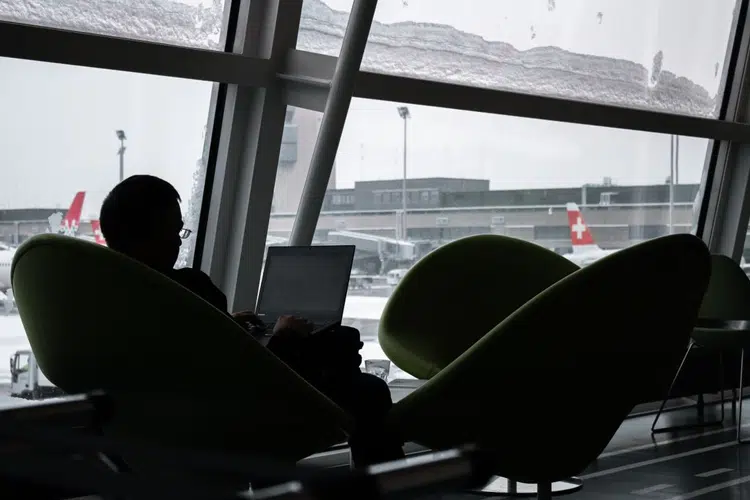
Airports are rarely anyone’s favourite part of a business trip.
Between flight delays, crowded departure gates, expensive food and the struggle to find a quiet place to work, even the most routine journey can quickly become frustrating. For employees who travel regularly, those small inconveniences add up over time, affecting productivity, wellbeing and the overall travel experience.
That’s one reason airport lounges have become increasingly popular among business travellers. What was once viewed as an exclusive perk reserved for first-class passengers is now far more accessible, with a growing number of ways to gain airport lounge access without paying for a premium airline ticket.
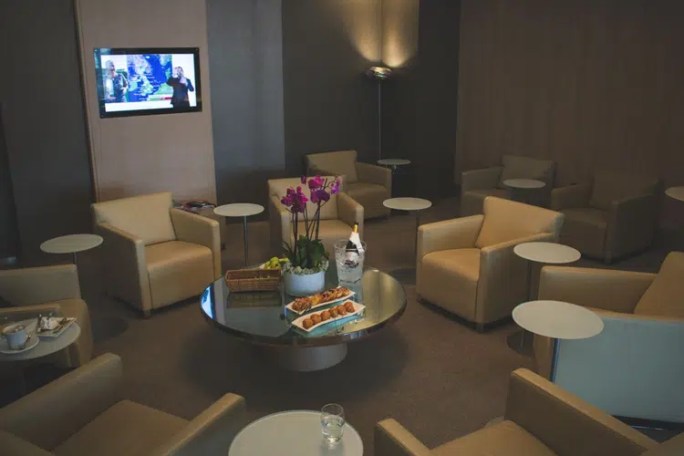
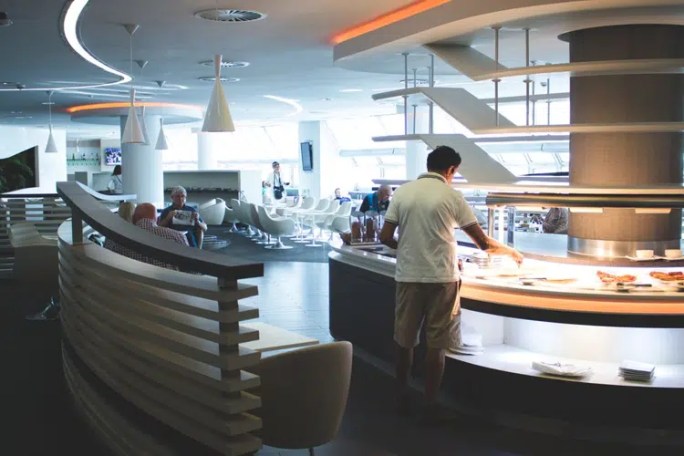
It’s not hard to understand why the appeal is there. Most lounges offer comfortable seating, complimentary refreshments, reliable Wi-Fi, charging points and dedicated workspaces. Many also provide showers, meeting areas and support services that become particularly valuable during delays or long layovers.
For employers, access to airport lounges can also make practical sense. A traveller who can answer emails, prepare for a meeting or simply recharge before a long day on site often arrives more productive than someone who has spent three hours sitting beside a crowded departure gate.
The good news is that there is no single route to airport lounge access. No matter if your employees travel weekly or only occasionally, there are several options available that suit different travel patterns and budgets.
In this guide, we’ll look at six practical ways to gain access to airport lounges and help your workforce travel more comfortably
Airport lounge access allows travellers to enter dedicated areas within an airport that are separated from the main terminal. These lounges are designed to provide a quieter, more comfortable environment before departure and are often used by frequent flyers, business travellers and premium ticket holders.
While facilities vary by provider, most airport lounges include:
- Complimentary food and drinks
- High-speed Wi-Fi
- Charging stations
- Comfortable seating
- Quiet workspaces
- Flight information displays
- Newspapers and magazines
Many premium lounges also offer:
- Shower facilities
- Private meeting rooms
- Sleeping pods
- Concierge services
- Spa treatments
- Dedicated customer support desks
For business travellers, access to airport lounges often turns unproductive waiting time into an opportunity to catch up on work, prepare for meetings or simply travel with less stress.
The way travellers gain access can vary considerably. Some lounges are operated by airlines, while others belong to independent networks or credit card providers. This variety means there are now more options than ever for businesses looking to provide employees with airport lounge access.
It’s easy to dismiss airport lounges as a luxury, particularly when travel budgets are under scrutiny. However, many organisations increasingly view them as a practical travel benefit rather than an indulgence.
When employees spend significant amounts of time travelling, the quality of their journey can have a direct impact on productivity and wellbeing.
Finding a seat in a busy terminal can be difficult, but finding a seat with a power socket nearby can feel nearly impossible.
Lounges provide a quieter environment where travellers can focus without constant interruptions. Reliable internet access, comfortable seating and dedicated workspaces allow employees to use waiting time more effectively.
For sales teams, project managers and senior leaders travelling between meetings, this can mean several additional productive hours each month.
Travel disruption is still one of the biggest frustrations for business travellers.
When flights are delayed or cancelled, airport lounges often provide a far more comfortable place to wait than the main terminal. Many airline-operated lounges can also assist with rebooking flights, offering an additional layer of support when plans change unexpectedly.
For travellers facing long delays, access to refreshments, Wi-Fi and comfortable seating can significantly improve the experience.
Anyone who has spent several hours moving between trains, airports and hotels knows how draining travel can be.
Airport lounges offer an opportunity to take a break from the crowds, grab something to eat and recharge devices before continuing a journey.
For employees travelling to project sites, client meetings or overseas assignments, arriving refreshed rather than exhausted can make a noticeable difference.
Airport food and drink prices are notoriously high.
For organisations that regularly reimburse employee expenses, lounge access can help reduce some of these incidental costs. Complimentary refreshments, snacks and meals often offset part of the membership or access fee, particularly for frequent travellers.
One of the most established ways to gain airport lounge access is through airline loyalty programmes.
Many airlines reward frequent travellers with tiered membership schemes that provide increasing benefits as more flights are taken throughout the year. Lounge access is often one of the most valuable rewards available.
For employees who regularly travel on the same airline or within the same airline alliance, earning elite status can provide consistent access to airport lounges across multiple destinations.
Some of the most popular programmes include:
British Airways Executive Club uses Avios points and tier points to reward frequent flyers.
As travellers move through Bronze, Silver and Gold membership levels, they unlock additional benefits. Silver members receive access to British Airways lounges and many partner lounges across the oneworld alliance network.
For UK-based businesses, this is still one of the most popular programmes due to the airline’s extensive route network.
Flying Blue is the loyalty programme operated by Air France and KLM.
Members can earn miles through flights, hotel stays and various partner organisations. Higher-tier members receive lounge access, priority check-in and additional baggage allowances.
For businesses with significant travel across mainland Europe, Flying Blue can provide strong value.
As part of the Star Alliance network, Lufthansa’s Miles & More programme gives frequent travellers access to one of the largest airline alliance networks in the world.
Elite members gain entry to hundreds of lounges globally, making it particularly useful for employees travelling internationally.
Turkish Airlines has developed a strong reputation among business travellers due to its extensive route network spanning Europe, Asia, the Middle East and Africa.
Higher-tier members receive access to the airline’s well-regarded lounges as well as Star Alliance partner facilities.
Many businesses already spend significant amounts on flights throughout the year.
By encouraging travellers to remain loyal to a preferred airline or alliance where practical, organisations can help employees unlock benefits that improve future travel experiences without introducing additional direct costs.
The result is often better service, faster airport processes and consistent access to airport lounges.
For many travellers, the most straightforward way to gain access to airport lounges is by booking a premium cabin – and then get the access for free.
Most airlines include lounge access as part of their business class and first-class tickets, particularly on international and long-haul routes.
This is one of the simplest forms of access to airport lounges because no separate membership or programme is required. The lounge invitation is included as part of the ticket itself.
Business class travellers typically receive:
- Airport lounge access
- Priority security lanes
- Priority boarding
- Additional baggage allowances
- Faster check-in services
First-class travellers often receive even more extensive benefits, including access to dedicated premium lounges and concierge services.
Many organisations reserve business class travel for specific circumstances rather than offering it universally.
Common examples include:
- Overnight international flights
- Long-haul journeys exceeding eight hours
- Senior leadership travel
- Time-sensitive client meetings
- Employee wellbeing considerations on intensive travel schedules
A project director travelling overnight before an important client presentation may arrive significantly better prepared after a comfortable flight and lounge experience than someone who has spent the journey trying to sleep in an economy seat.
The cost still needs to be justified, but in certain situations the productivity benefits can outweigh the additional expense.
It’s worth noting that lounge access policies vary between airlines.
Some carriers only provide access for international business class passengers, while others extend access to domestic premium travellers. Budget airlines generally do not operate their own lounges.
Before assuming lounge access is included, it’s always worth checking the specific fare rules attached to the ticket.
One of the fastest-growing ways to gain airport lounge access is through travel-focused credit cards.
Many premium cards now include lounge memberships as part of their annual benefits package, making them an attractive option for both frequent business travellers and organisations that provide company cards.
In some cases, the lounge benefit alone can justify a significant portion of the card’s annual fee.
Several consumer travel cards include access to airport lounges as a standard benefit.
Popular examples include:
- American Express Platinum
- Capital One Venture X
- Chase Sapphire Reserve
- Various airline-branded premium cards
Depending on the provider, cardholders may receive:
- Unlimited lounge access
- A set number of visits each year
- Complimentary guest access
- Priority Pass membership
For employees who travel regularly, these benefits can provide substantial value throughout the year.
Many organisations already issue company cards to employees who travel frequently.
Increasingly, businesses are evaluating cards not only based on spend controls and expense management features but also on the travel benefits attached to them.
Airport lounge access can be one of the most attractive perks available through corporate card programmes, particularly for employees who spend significant amounts of time travelling between projects, clients or international offices.
Because the card is already being used for business expenses, lounge access becomes an additional benefit rather than a standalone cost.
If your employees fly regularly but use a variety of airlines, a dedicated airport lounge access program can often provide better value than relying on airline loyalty schemes alone.
Rather than being tied to a specific carrier, these programmes give members access to large networks of independent lounges across multiple airports and countries.
For businesses with travellers flying different routes throughout the year, this flexibility can be particularly useful.
Priority Pass is arguably the best-known airport lounge access program in the world.
With access to more than 1,700 lounges and travel experiences globally, it allows travellers to use participating lounges regardless of which airline they are flying with.
Membership options range from occasional-use plans through to unlimited annual access, making it suitable for both frequent and infrequent travellers.
For employers, Priority Pass can be an attractive option because it creates consistency. Whether an employee is flying from Dublin, Frankfurt, Manchester or Singapore, they can access a familiar network without relying on airline status.
DragonPass operates a similar model and has become increasingly popular with international travellers.
Members receive access to hundreds of lounges worldwide, alongside additional travel perks such as airport dining discounts and fast-track security at selected locations.
Many corporate and premium travel cards include LoungeKey membership automatically.
The programme operates through participating payment card providers and grants access to a large network of airport lounges globally.
For businesses already issuing corporate cards, it’s worth checking whether LoungeKey or a similar benefit is already included before purchasing a separate membership.
A dedicated airport lounge access program is often the most practical solution when:
- Employees use multiple airlines
- Travel patterns vary significantly
- Travellers fly internationally throughout the year
- Loyalty status is difficult to achieve consistently
Rather than managing multiple airline memberships, a single programme provides straightforward access to airport lounges across a wide range of destinations.
Not every employee travels frequently enough to justify an annual membership.
For occasional travellers, purchasing lounge access on a trip-by-trip basis can be a more sensible option.
Many airlines and independent lounge operators offer day passes that allow access for a single visit without any ongoing commitment.
This approach works particularly well for:
- Senior staff travelling occasionally
- Employees taking long-haul flights
- International project teams
- Travellers facing lengthy layovers
Several airlines sell single-use lounge access directly.
Examples include:
- British Airways lounges (selected locations)
- United Club lounges
- American Airlines Admirals Clubs
- Alaska Airlines lounges
Pricing varies by location and provider, but day passes typically range between £25 and £60 per visit.
Dedicated lounge booking platforms have made occasional access even easier.
Popular options include:
- Lounge Pass
- LoungeBuddy
- Plaza Premium
These services allow travellers to search airports, compare lounges and purchase access before they travel.
For companies without a formal airport lounge access programme, this can be an easy way to support employees during particularly demanding trips.
Day passes can be especially valuable when travel plans suddenly change.
A delayed flight, missed connection or unexpected overnight wait can quickly turn an ordinary trip into a stressful experience. Providing access to an airport lounge during these situations often costs less than the productivity lost while an employee spends hours waiting in a crowded terminal.
For travel managers, keeping day passes available as part of a disruption management strategy can be a surprisingly effective employee benefit.
Many travellers assume lounges are exclusively operated by airlines.
In reality, some of the best airport lounges are entirely independent.
These lounges welcome travellers regardless of airline, ticket class or loyalty status and can often be booked directly.
Plaza Premium has developed one of the largest independent lounge networks in the world.
Locations can be found in major airports across Europe, Asia, North America and the Middle East.
Facilities typically include:
- Complimentary food and beverages
- Business workspaces
- Shower facilities
- Relaxation areas
- High-speed Wi-Fi
Many travellers use Plaza Premium lounges even when airline lounges are unavailable.
Aspire lounges are widely available throughout UK and European airports.
For business travellers looking for a quiet space to work before departure, they often provide excellent value without requiring any airline affiliation.
One advantage of independent lounges is simplicity.
Employees can often book access online in advance or pay at the door without worrying about status levels, airline alliances or annual membership fees.
For companies with occasional travellers, this flexibility can be particularly useful.
Whether airport lounge access represents good value depends largely on how frequently employees travel and the type of work they perform while on the road.
For occasional leisure travel, the answer may be less clear.
For business travel, however, the calculation often looks different.
The value comes from several areas:
A traveller with access to a quiet workspace, reliable Wi-Fi and charging facilities can continue working while waiting for a flight.
Across dozens of trips per year, those additional productive hours can become significant.
Frequent travel can be tiring.
Providing access to comfortable facilities, refreshments and quieter surroundings helps improve the overall travel experience and demonstrates that employee wellbeing is being taken seriously.
Flight delays and cancellations are becoming increasingly common.
Airport lounges provide employees with a more comfortable environment during disruption while often giving them access to staff who can assist with rebooking and alternative travel arrangements.
Travel-heavy roles are not always easy to fill.
Small improvements to the travel experience can contribute to higher satisfaction levels among employees who spend significant time away from home.
Airport lounge access may not be the deciding factor on its own, but it can become part of a broader travel programme that employees genuinely appreciate.
Airport lounge access can make travelling more comfortable, productive and less stressful, particularly for employees who spend a significant amount of time on the road.
But for travel managers, lounge access is only one piece of a much larger puzzle.
The real challenge sits in managing every stage of workforce travel efficiently. Finding accommodation close to project sites, controlling costs, enforcing travel policies, supporting travellers when plans change and maintaining visibility over company spend all require far more attention than simply securing a comfortable seat before departure.
That’s why many organisations are moving away from disconnected booking processes and towards centralised travel management.
With Roomex, businesses can manage accommodation, rail travel and expenses from one platform, giving employees a simpler booking experience while providing finance, procurement and operations teams with greater control.
From exclusive accommodation rates and one-click approvals to RoomexPay and real-time spend reporting through Roomex Insights, every feature is designed to reduce administration, improve compliance and uncover savings opportunities across your travel programme.
And when travel disruptions happen, your teams have access to a dedicated support team that understands the realities of workforce travel.
If you’re looking for ways to improve the travel experience for frequent flyers or gain greater control over workforce travel costs, the right systems make all the difference.
Book a demo with Roomex today and discover how accommodation, rail travel and expense management can be managed in one place – with less admin, better visibility and more opportunities to save.
How do you gain access to airport lounges?
Travellers can gain access through airline loyalty status, business or first-class tickets, premium credit cards, dedicated airport lounge access programmes, day passes or independent lounge providers.
What is the best airport lounge access program?
Priority Pass is widely regarded as one of the most comprehensive airport lounge access programs due to its global network of participating lounges. DragonPass and LoungeKey are also popular alternatives.
Can company credit cards provide airport lounge access?
Yes. Many premium corporate cards include airport lounge access as part of their travel benefits package. The level of access varies depending on the card provider.
Are airport lounges worth paying for?
For frequent travellers, airport lounges can provide excellent value through complimentary food, drinks, Wi-Fi and workspace facilities. They can be particularly useful during delays and long layovers.
Can anyone buy airport lounge access?
Yes. Many lounges sell day passes directly, while platforms such as Lounge Pass and Plaza Premium allow travellers to purchase access without requiring airline status or membership.
Do all business class tickets include airport lounge access?
Not always. Most international business class tickets include lounge access, but policies vary between airlines and routes. It’s always worth checking the fare conditions before travelling.